
Blog
Event Organizing Trends to Watch in 2026
Event Organizing Trends to Watch in 2026
Event trends are evolving at lightning speed, reshaping the industry. What captivated audiences a few years ago may no longer hold their attention today, and keeping up with emerging trends is essential for anyone in the field of event organizing. Whether it’s a corporate conference, a product launch, or a large-scale public gathering, organizers are constantly looking for fresh ways to engage attendees, create memorable experiences, and deliver value. As 2026 approaches, several exciting trends are beginning to reshape the way events are planned and executed. Staying informed about these trends can help organizers create events that stand out and leave a lasting impression.
Hybrid Events: Connecting Audiences On-Site and Online
One of the most significant shifts in recent years is the rise of hybrid events. These are events that blend in-person attendance with virtual participation, allowing attendees to join from anywhere in the world. The pandemic accelerated the adoption of virtual platforms, and organizers have now discovered the long-term benefits of combining physical and online experiences. Hybrid events not only broaden the audience reach but also make participation more flexible and inclusive.
Some advantages of hybrid events include:
- Access for attendees who cannot travel due to distance or schedule conflicts
- Reduced travel and accommodation costs
- Enhanced engagement through both physical and virtual interactions
Technology is the key to a seamless hybrid experience. With features like live broadcasts, real-time Q&A, and online networking spaces, attendees joining remotely can fully experience the event and engage with others. Organizers who embrace hybrid formats can create an event that caters to diverse audiences without compromising quality.
Personalization: Making Every Attendee Feel Special
Personalization is no longer a bonus in event organizing—it’s an expectation. Today’s attendees want experiences tailored to their interests, preferences, and needs. Events that focus on personalization foster deeper engagement and leave participants feeling recognized and valued. This approach can be applied to every aspect of event planning, from invitations to agendas and interactive activities.
Strategies to create personalized experiences include:
- Curated session recommendations based on attendee profiles
- Custom welcome kits or digital resources
- Interactive experiences that reflect the participant’s preferences
By prioritizing personalization, event organizers can create experiences that resonate on a personal level, turning casual attendees into loyal supporters and advocates.
Create Unforgettable Experiences with SBS Events!
Sustainable Event Organizing: Thinking Green
Sustainability is no longer a niche consideration—it has become a key part of responsible event planning. Attendees are more conscious of environmental issues and increasingly expect events to reflect eco-friendly values. Sustainable event organizing can range from reducing waste to partnering with environmentally conscious vendors, and it can significantly enhance a brand’s reputation.
Practical sustainable practices include:
- Digital ticketing to reduce paper usage
- Using biodegradable or reusable decor
- Sourcing catering locally and prioritizing plant-based options
Embracing sustainability not only benefits the environment but also adds a positive dimension to the attendee experience. Events that are eco-conscious can leave participants with a sense of purpose in addition to enjoyment.
Advanced Technology and AI in Event Organizing
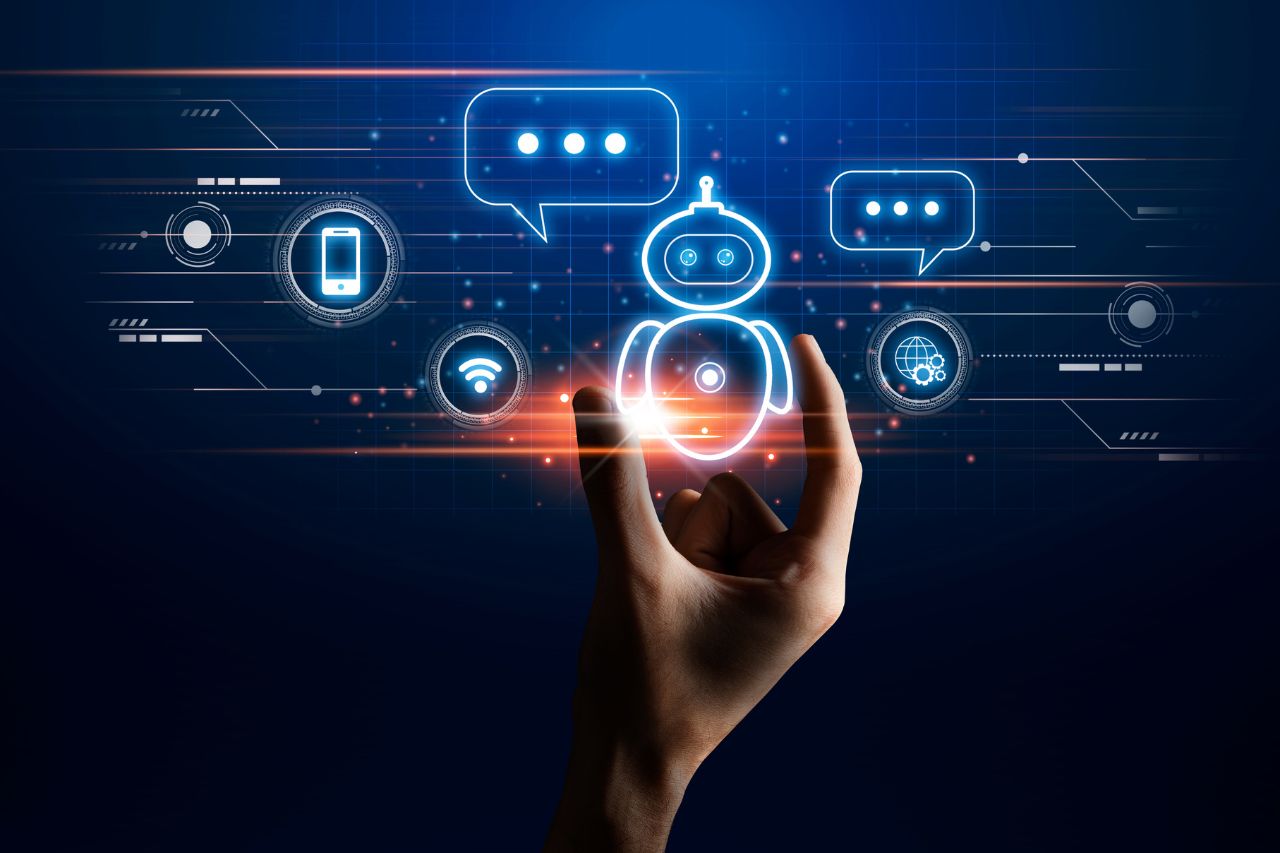
The role of technology in event organizing has grown exponentially, and artificial intelligence (AI) is becoming an indispensable tool. AI can streamline planning, improve attendee experiences, and provide actionable insights for future events. From chatbots that answer questions in real-time to predictive analytics for session planning, AI helps organizers work smarter, not harder.
Examples of AI applications in event organizing:
- Virtual assistants that guide attendees and answer queries
- Personalized session recommendations based on engagement and interests
- Analytics dashboards that track attendance, participation, and satisfaction
By incorporating AI, organizers can ensure smoother operations, more informed decisions, and a more satisfying experience for attendees.
Immersive Experiences: AR, VR, and Gamification
Events in 2026 are increasingly incorporating immersive experiences that go beyond traditional formats. Technologies like augmented reality (AR) and virtual reality (VR) allow participants to engage with content in interactive and memorable ways. Gamification, on the other hand, adds a layer of fun and competition, encouraging attendees to actively participate rather than passively observe.
Some examples of immersive experiences:
- Interactive virtual tours that allow online attendees to experience the venue
- AR-enhanced presentations with interactive elements
- Gamified networking sessions or challenges that encourage collaboration
Immersive elements help create an unforgettable event that keeps attendees talking long after it ends.
Data-Driven Decisions: Maximizing Event Impact
Data has become a cornerstone of successful event organizing. Understanding attendee behaviour, session popularity, and engagement patterns allows organizers to make more informed decisions, tailor experiences, and maximize the return on investment. Collecting and analysing data ensures that future events are continuously improved and better aligned with audience expectations.
Benefits of data-driven approaches include:
- Identifying popular sessions to replicate or expand in future events
- Targeting marketing efforts to the most relevant audience segments
- Enhancing attendee satisfaction by anticipating preferences and needs
By leveraging data effectively, event organizers can refine their strategies, create more meaningful experiences, and demonstrate measurable success.
Create Unforgettable Experiences with SBS Events!
Health and Safety: Ensuring Peace of Mind
Even as global events return to pre-pandemic scales, health and safety remain a top concern for attendees. Participants now expect clear safety protocols, and organizers must take steps to provide secure and hygienic environments. Prioritizing health not only reassures attendees but also reflects professionalism and care.
Practical measures for health-conscious event organizing:
- Contactless check-ins and registration
- Hand sanitizing stations throughout the venue
- Crowd management to prevent overcrowding
A focus on wellbeing and safety ensures attendees feel comfortable, which enhances their overall experience and encourages repeat participation.
Social Media and Influencer Collaboration
Social media continues to transform how events are promoted and experienced. Platforms like Instagram, LinkedIn, and TikTok allow organizers to reach wider audiences and create buzz before, during, and after the event. Collaborating with influencers or industry leaders can also increase visibility and credibility, attracting a larger and more engaged audience.
Key strategies for social media integration:
- Live streaming key sessions or behind-the-scenes content
- Hashtag campaigns to encourage user-generated content
- Partnering with influencers to host panels or workshops
Effectively using social media ensures that events not only attract participants but also maintain engagement and excitement long after the final session concludes.
Flexible Event Spaces: Adapting to Every Need
The demand for adaptable, modular event spaces is growing. Venues that can be reconfigured to suit different formats, from workshops to conferences, allow organizers to maximize functionality and creativity. Flexible spaces make it easier to accommodate varying audience sizes and activity types without compromising quality.
Features of flexible event spaces:
- Movable seating and staging areas
- Multi-purpose rooms for breakout sessions
- Adjustable lighting and sound systems for different formats
Choosing the right adaptable venue ensures that event organizers can deliver a seamless experience, no matter the type of event.
Wellbeing and Mindful Experiences
Lastly, attendees are increasingly valuing events that support their wellbeing. Mindful experiences, wellness zones, and mental health initiatives contribute to a positive atmosphere and help participants feel refreshed and focused. Integrating wellness into event organizing is no longer optional—it’s an expectation.
Ways to enhance wellbeing at events:
- Designated quiet zones for relaxation or meditation
- Healthy catering options with dietary considerations
- Activities designed to support mental wellness and relieve stress
Focusing on wellbeing creates a more holistic and rewarding experience for participants, leaving a lasting positive impression.
Conclusion
Event organizing in 2026 is all about innovation, engagement, and thoughtful planning. Hybrid formats, personalized experiences, sustainable practices, immersive technology, and data-driven strategies are just a few trends reshaping the industry. Organizers who embrace these trends will not only deliver more memorable and meaningful events but also build stronger connections with their attendees. By staying ahead of these trends, event professionals can create experiences that resonate long after the event concludes, ensuring success for both participants and organizers alike.