
Blog
Product Launching Event Planning for Startups: A Practical Guide
Product Launching Event Planning for Startups: A Practical Guide
For startups, product launching event planning is more than a celebration—it’s a strategic opportunity to build brand awareness, attract customers, and establish credibility in a competitive market. However, startups often face unique challenges such as limited budgets, tight timelines, and small teams. Successful product launching event planning requires careful organization, creativity, and practical decision-making to maximize impact without overspending. This guide provides startups with actionable steps to plan, execute, and optimize a product launch event effectively.
1. Define Your Objectives and Target Audience
Before diving into logistics, startups need to clarify why they are hosting the launch and who they want to reach.
a. Set Clear Goals
Ask yourself:
- Are you aiming to generate media coverage?
- Do you want to attract potential investors or partners?
- Is the goal to drive pre-orders, sales, or app downloads?
- Do you want to build brand awareness in your industry?
Identifying the objective shapes every subsequent decision, from the type of venue to marketing efforts and the format of your event.
b. Identify Your Audience
Your audience might include:
- Potential customers or early adopters
- Influencers and bloggers
- Investors or venture capitalists
- Industry partners or collaborators
Segmenting your audience allows you to tailor messaging, engagement activities, and even the type of event experience. For instance, a product demo for tech enthusiasts will differ from a VIP investor showcase.
Create Unforgettable Experiences with SBS Events!
2. Set a Realistic Budget
Budgeting is critical for startups, as resources are limited and every ringgit counts.
Budget Allocation Framework
A typical breakdown for a startup product launch might be:
- Venue: 30–35%
- Catering/F&B: 20–25%
- AV & Production: 10–15%
- Marketing & Promotion: 15–20%
- Staffing & Miscellaneous: 5–10%
- Contingency: 5–10%
Always leave a small contingency for unexpected costs, such as last-minute equipment rentals or additional catering. Allocating funds early prevents overspending and ensures critical elements are covered.
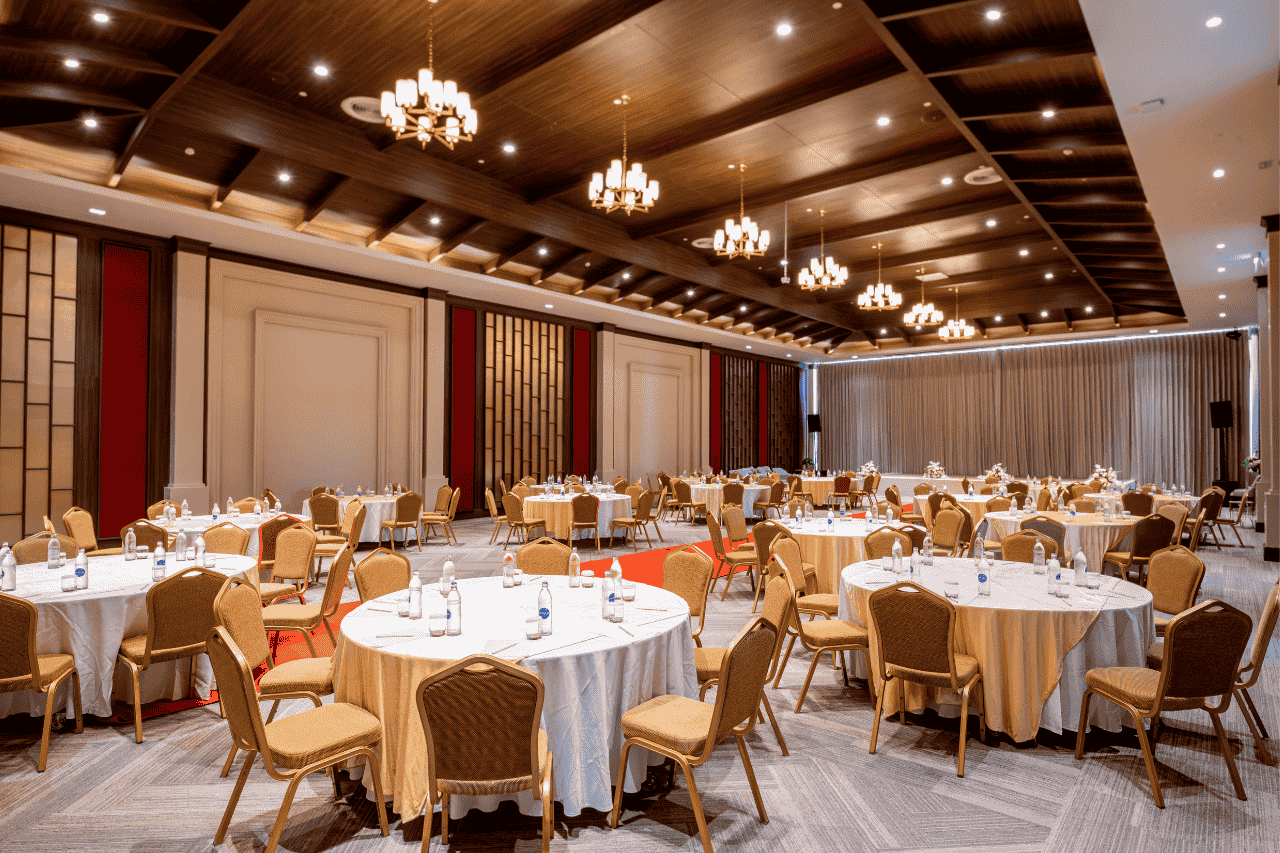
3. Choose the Right Venue
Selecting a venue is a strategic decision that impacts budget, ambiance, and audience experience.
a. Venue Types for Startups
- Coworking Spaces and Innovation Hubs: Flexible, cost-effective, and ideal for tech demos or small launches. They often provide tables, chairs, internet, and basic AV.
- Boutique Hotels: Many mid-range hotels offer package deals including meeting rooms, AV, and catering, which can simplify planning.
- Community Centers or Municipal Halls: Affordable for larger audiences, especially for public-facing launches.
- Alternative Venues: Art galleries, rooftop spaces, or cafes with private rooms can offer unique atmospheres that align with your brand identity.
b. Tips for Negotiating
- Ask about weekday or off-peak discounts.
- Inquire about bundled services (AV, catering, furniture)
- Request written cost breakdowns to avoid hidden fees
- Consider venues that allow external caterers to save costs.
Choosing the right venue ensures your event feels professional while staying within budget.
4. Plan Your Event Format
The format should align with your audience and objectives. Common product launch formats include:
a. Demo-Focused Launch
Ideal for tech or hardware products. Include:
- Live product demonstrations
- Interactive sessions where attendees can test or use the product
- Q&A segments
b. VIP or Investor Launch
Targeted at investors or strategic partners. Include:
- Presentation decks highlighting product value and market potential
- Short product demos or prototypes
- Networking sessions for deal-making
c. Public Launch
Designed to generate awareness and buzz. Include:
- Media coverage and influencer invitations
- Engaging activities like contests or photo opportunities
- Social media integration for live updates
d. Hybrid Events
A mix of in-person and online participation can:
- Reduce physical venue costs
- Expand reach to remote attendees
- Provide content for post-event marketing

5. Focus on Branding and Experience
Startups need to create a memorable experience that reinforces brand identity.
a. Visual Branding
- Event signage and backdrops featuring your logo
- Branded merchandise or giveaways
- Product displays highlighting unique features
b. Interactive Elements
- Touchscreen demos, VR or AR experiences
- Photo booths with social media integration
- Gamification or live polls to engage attendees
c. Storytelling
Tell your startup story: why you built the product, the problem it solves, and how it improves users’ lives. Authentic storytelling resonates with attendees and media alike.
6. Optimize Marketing and Promotion
Even the best-planned launch fails if no one knows about it.
a. Digital Marketing
- Email campaigns to existing customers or newsletter subscribers
- Social media posts, reels, and countdowns
- Dedicated landing pages with RSVP forms
b. PR and Media Outreach
- Invite bloggers, journalists, and industry influencers
- Send press kits with product information and visuals
- Offer exclusive previews or interviews
c. Collaborations
- Partner with complementary brands for cross-promotion
- Leverage co-hosted events to share costs and audience reach
Create Unforgettable Experiences with SBS Events!
7. Manage Catering and F&B Wisely
Food and beverages add to the event’s professionalism, but they can quickly inflate costs.
a. Budget-Friendly Catering Options
- Buffet-style or packaged meals instead of plated service
- Finger foods or light snacks for short launches
- Limited beverage selection (tea, coffee, water)
b. Creative Solutions
- Food trucks for outdoor events
- Bento or snack packs for smaller audiences
- Sponsored catering or in-kind partnerships
Confirm headcount a few days in advance to avoid over-ordering and wastage.
8. AV, Production, and Technical Considerations
A polished launch requires reliable audiovisual equipment, but startups can save costs without sacrificing quality.
a. Essentials
- Projector or LED display for demos and presentations
- Microphones and a PA system for speeches
- Technical staff for setup and troubleshooting
b. Cost-Saving Tips
- Use venue-provided AV equipment when possible
- Limit extra screens or lighting unless critical
- Keep backup copies of presentations and demos

9. Timing and Logistics
Planning the right schedule can affect costs and attendance.
- Off-Peak Timing: Weekday mornings or afternoons usually cost less than weekends
- Event Duration: Shorter events reduce catering and staffing needs
- Registration: Use digital tools for RSVPs and check-ins to minimize manpower
Ensure a detailed timeline including setup, rehearsals, and teardown to avoid last-minute stress.
10. Post-Event Follow-Up
The launch doesn’t end when attendees leave. Post-event activities maximize ROI and maintain momentum.
a. Feedback Collection
- Short surveys to gauge attendee satisfaction
- Ask for input on the product, event experience, and future engagement
b. Content Repurposing
- Photos and videos for social media
- Blog articles or press releases summarizing the event
- Highlight reels for email newsletters
c. Engage Attendees
- Send thank-you emails with product links
- Offer exclusive post-launch discounts or early access
- Continue nurturing relationships with investors, partners, and media
Conclusion
For startups, a successful product launch is about strategic planning, creative execution, and smart budgeting. By defining objectives, selecting the right venue, tailoring the event format, and leveraging partnerships, startups can deliver high-impact launches without overspending. For maximum efficiency and professional results, startups can also hire a product launching event organizer to handle logistics, marketing, catering, and AV management. This ensures every ringgit invested contributes to lasting brand awareness, customer engagement, and business growth.
Even with limited resources, a well-executed launch can generate excitement, attract customers, and position your startup for long-term success. With thoughtful planning and practical strategies — and the support of a skilled event organizer — startups can host product launches that feel professional, memorable, and impactful, all while staying within budget.